
Neurodiversity
-
5 simple fixes that make digital spaces calmer—for neurodivergent and all users.
By Lē Silveus — When we talk about accessibility, most engineers think of screen readers, alt text, and color contrast. These are essential, but they’re only part of the picture. Digital spaces must also support people whose minds process information differently—people who are autistic, ADHD, dyslexic, or otherwise neurodivergent. In… continue reading
-
Cognitive Disabilities
By Sarah Horton and David Sloan — Some people have disabilities that affect cognitive functioning, including the ability to read, learn, process, remember, and communicate information in various formats and in different contexts. The group of people with accessibility needs related to cognitive functioning is large and varied, yet it… continue reading
-
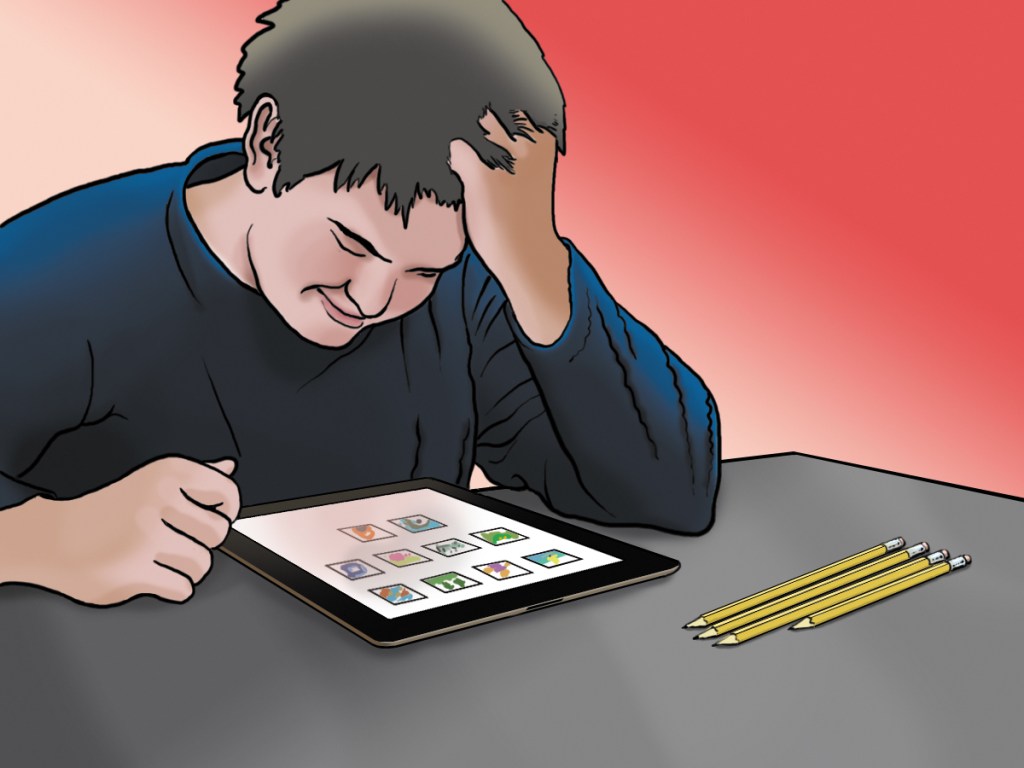
Trevor: High school student with autism
An accessibility persona from A Web for Everyone — Trevor is a bright 18-year-old who plays games and watches music videos on his laptop. He lives at home with his parents and younger sister. He attends a special school where the teachers and staff can help with his social and… continue reading
-
Everyone should know about neuro‑inclusive digital accessibility.
By Lē Silveus — In the ever‑evolving world of web development, crafting online experiences that are accessible and user‑centered is vital. However, the concept of accessibility extends beyond complying with WCAG guidelines. We’re going to dive into an important aspect that often gets overlooked: neurodiversity. As product creators, understanding and embracing… continue reading
-
Everyone should know accessibility requirements for neurodivergent people.
By Lē Silveus — While adhering to Web Content Accessibility Guidelines (WCAG) is a significant step, it’s not the whole picture. Neurodivergent individuals often face unique challenges when interacting with websites and applications. Some common issues include: Next steps for advancing support for neurodivergent people include: The principles of simplicity,… continue reading
 Know About Accessibility