-

All of us should know about accessibility.
Welcome to Know About Accessibility. We’re happy you’re here! We are Sarah Horton and David Sloan, co-authors of the book, What Every Engineer Should Know About Digital Accessibility. We created this website to support and extend the themes and topics from the book. All of us have a role to… continue reading
-
Cognitive Disabilities
By Sarah Horton and David Sloan — Some people have disabilities that affect cognitive functioning, including the ability to read, learn, process, remember, and communicate information in various formats and in different contexts. The group of people with accessibility needs related to cognitive functioning is large and varied, yet it… continue reading
-

Vishnu: Engineer, global citizen with low vision
An accessibility persona from A Web for Everyone — These days, Singapore is a center of the world, and Vishnu is one of its global citizens. After graduating from one of India’s technology colleges, he went to a postgraduate program at the National University of Malaysia. His work on visualizing… continue reading
-
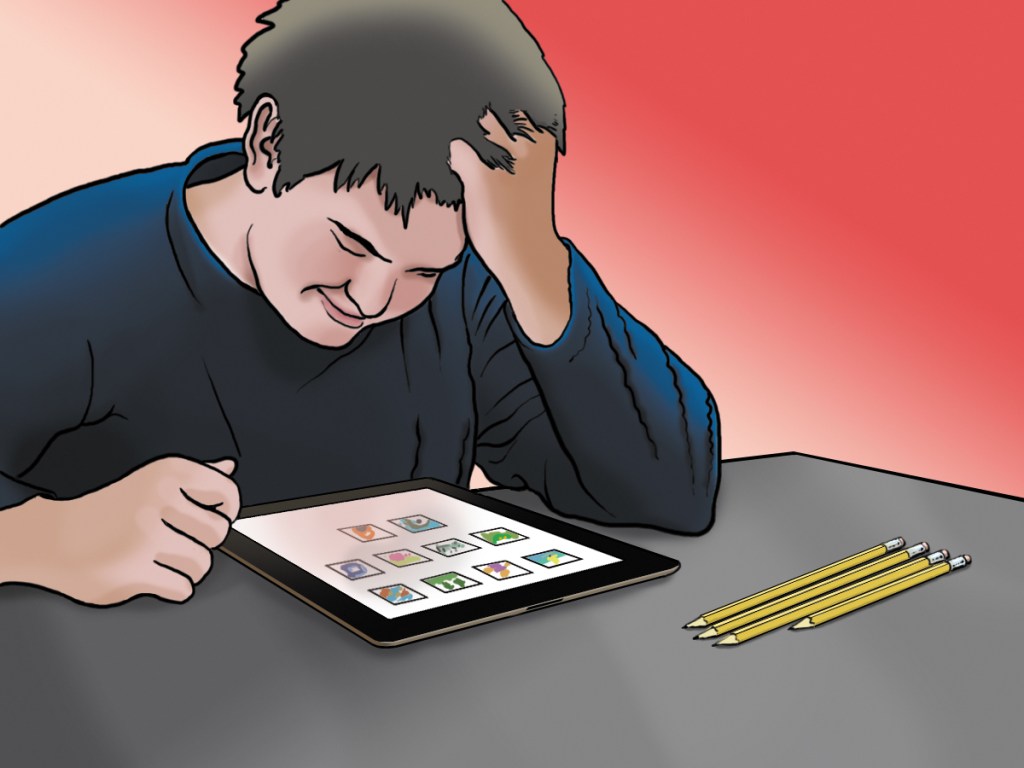
Trevor: High school student with autism
An accessibility persona from A Web for Everyone — Trevor is a bright 18-year-old who plays games and watches music videos on his laptop. He lives at home with his parents and younger sister. He attends a special school where the teachers and staff can help with his social and… continue reading
-
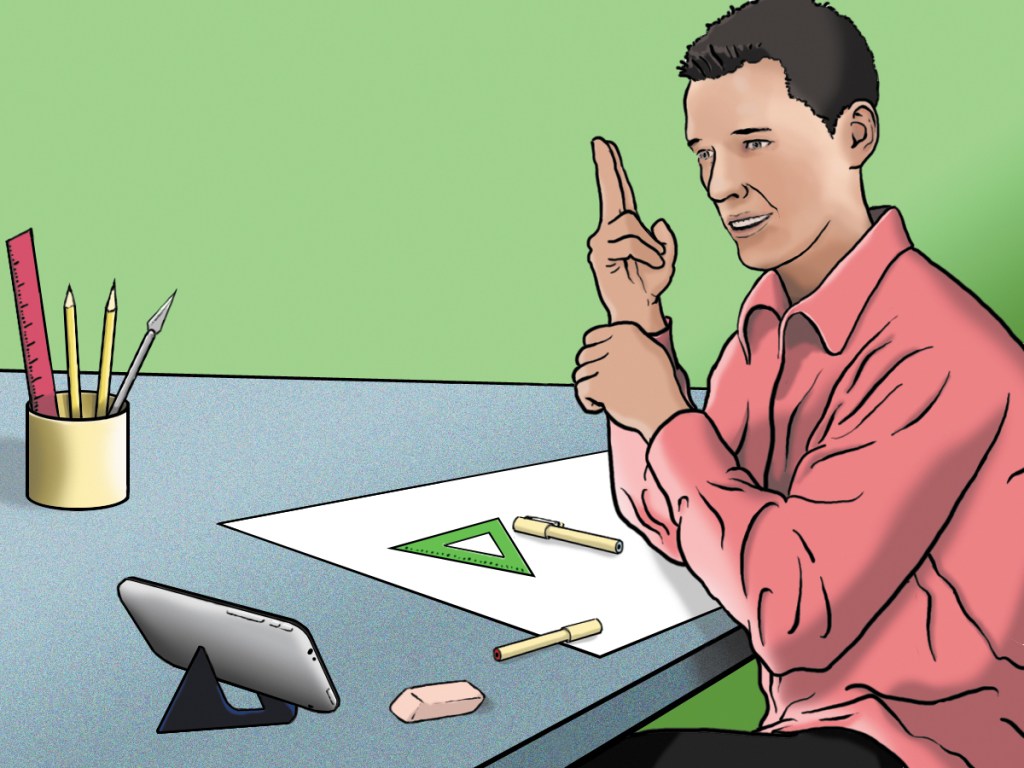
Steven: Deaf graphic artist and ASL speaker
An accessibility persona from A Web for Everyone — The nice thing about being a graphic artist is that most of the time his work can speak for itself. My only disability is that everyone doesn’t sign. When he first started working, most reviews were done in meetings, but more… continue reading
-
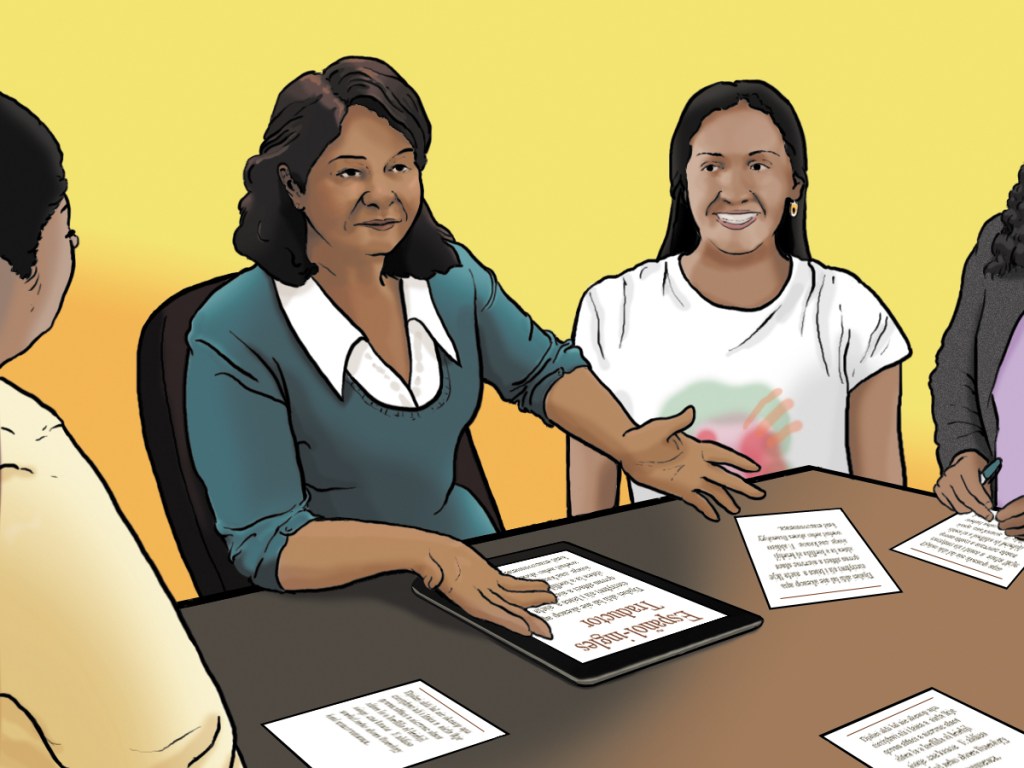
Maria: Bilingual community health worker
An accessibility persona from A Web for Everyone — Maria comes from a traditional Mexican extended family. She grew up helping her parents and older relatives navigate the English-speaking world. Her work as a community health worker is a natural extension. She does outreach and health education in the Spanish-speaking… continue reading
-

Lea: Editor, living with fatigue and pain
An accessibility persona from A Web for Everyone — Lea was on track to become the editor of the magazine she worked for when she started having numbness in her hands and feeling completely fatigued by the middle of the afternoon. She tried medications and exercise and getting enough sleep,… continue reading
-

Jacob: Blind paralegal and a bit of a geek
An accessibility persona from A Web for Everyone — Jacob is a paralegal in a large law firm. He reviews cases and writes summaries, cross-referencing them to the firm’s own cases and clients. He’s building expertise in his area of law and is hoping to go to law school in… continue reading
-

Emily: Cerebral palsy, living independently
An accessibility persona from A Web for Everyone — Emily is determined to do things for herself, so she’s tried a lot of different keyboards and joysticks over the years, looking for the right kind of interaction. Speech is difficult for her, so she uses a communications program with speech… continue reading
-
Product managers have a pivotal role in accessibility implementation.
By Jonee Meiser — Anyone and everyone who is an accessibility professional or expert will say everyone on a software development team has a role to play in embedding accessibility successfully. Admittedly, I struggled with what that looked like for me in terms of supporting every role in the development… continue reading
-

Carol: Grandmother with macular degeneration
An accessibility persona from A Web for Everyone — Carol has always loved reading, so her fading eyesight is a real sorrow to her. She tried recorded books, but she didn’t like listening instead of seeing the words in front of her. My grandkids are dragging me into the world… continue reading


